I don’t think I’ll need anymore information to do my final photo
Props I will need are for my model to wear dark clothes. Because in the card sketch he said dark colors look best on him.
Probably the studio.
I will shoot this photo in the studio.
I will use lightroom to adjust the highlights, vibrancy and shadows etc. And I will use photoshop to add text.
No I cannot find examples.
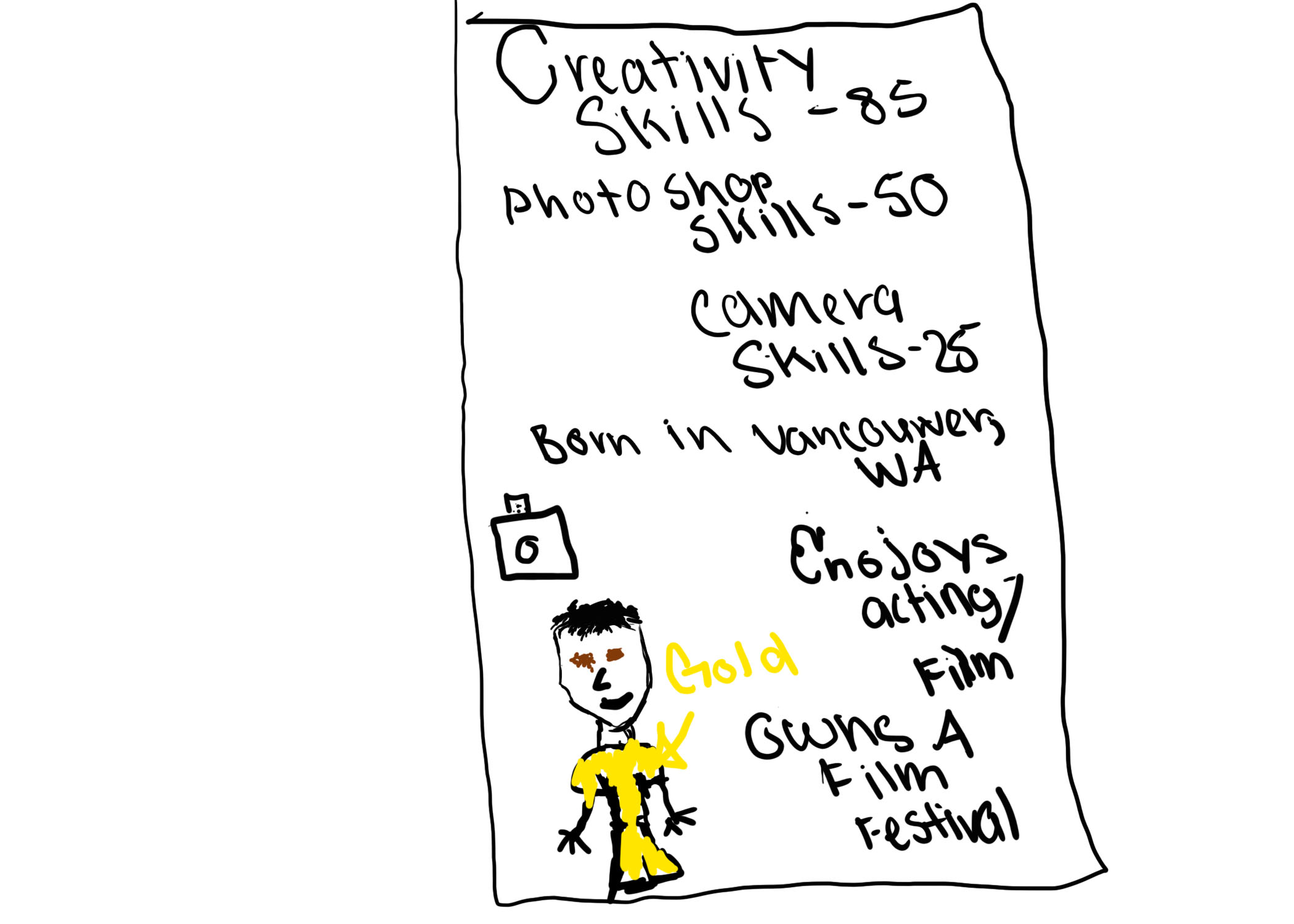
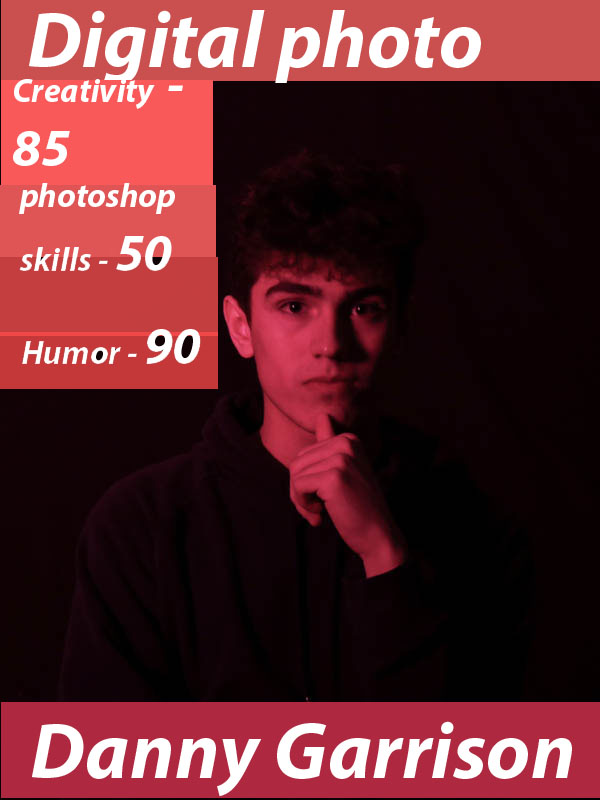
thought into the sketch compared to the final. I learned about how well there camera skills,photo shop skills, and some background knowledge about themselves. He thought it was great. It gave me an idea on how I’m going to have him model in the final. Nothing to be honest I thought it turned out great. How well I edited the photo.
Famous quote
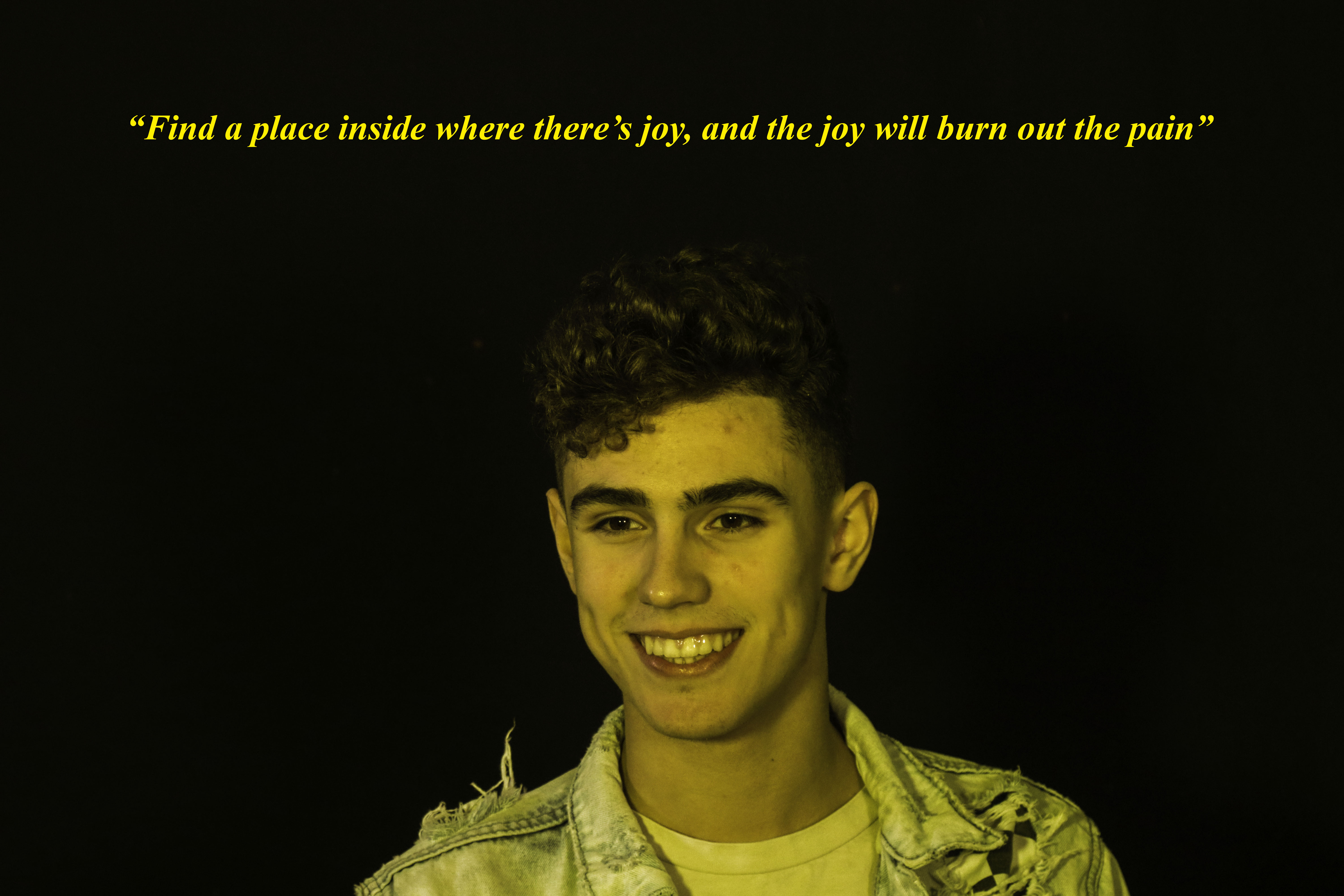
Final famous quote.
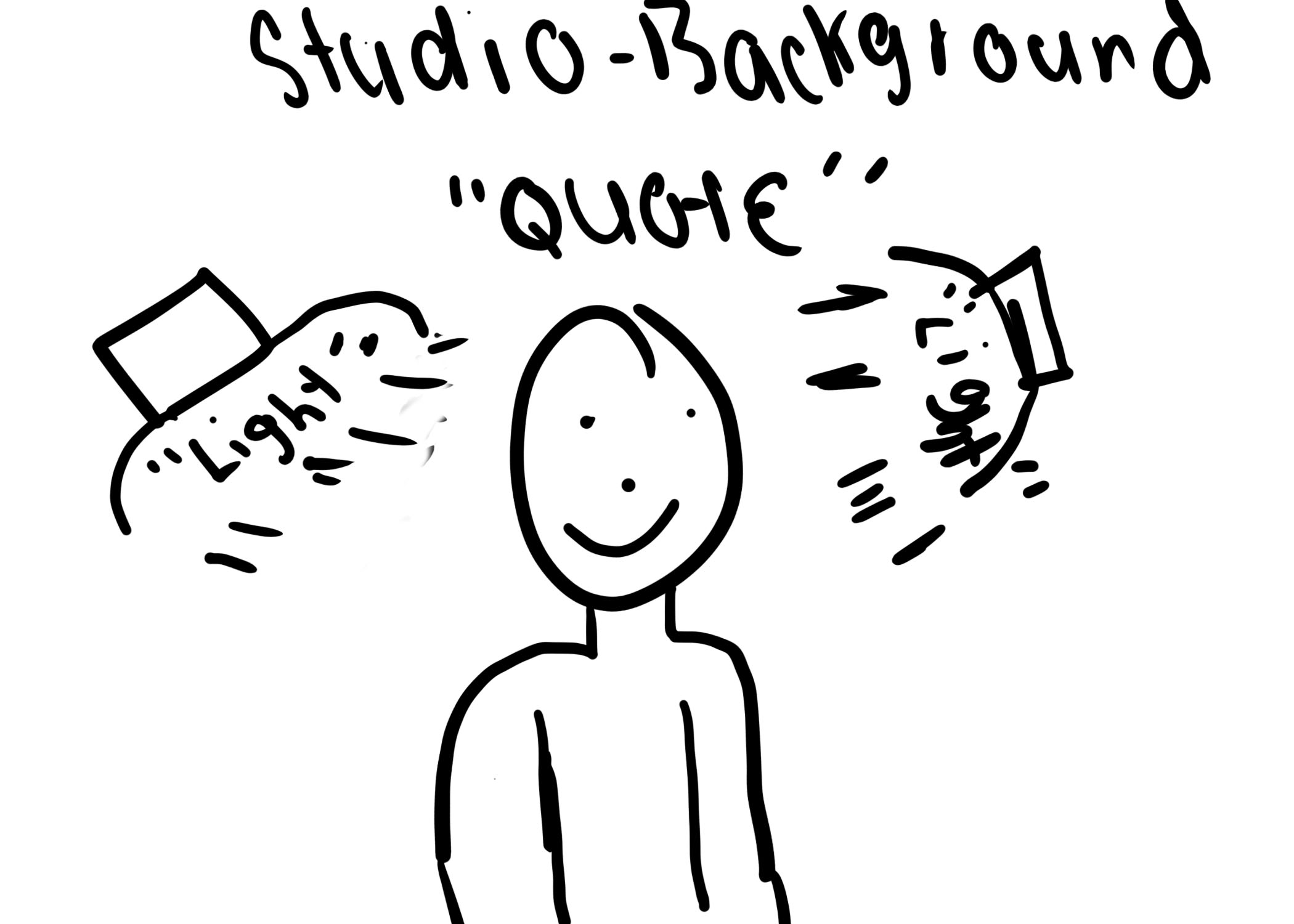
- How did the sketch of your famous quote image differ from the final version? Because the sketch was just a sketch,I literally drew a stick figure, and the final is an actual person
- How well did the font of the text and the effects you created connect to the mood of the photograph? It went great the font really matches the the mood of the photograph.
- How well is the quote reflected in the image? Great, because the font of the text is a happy font, and my quote is about joy.
- How did the sketch help you make the final image? It helped to see how far my model is going to be, where the quote is going to be placed.
- What would you do differently if you could do it all again? nothing I thought it was great.
- What are you most proud of ? I am proud of the final photo.
Reflections of images the artist drew.
The first photo where the man is in red, I think he is trying to show that he is afraid of showing people who he really is, because he wants people to like him. But it shouldn’t matter whether or not people like you, it should only matter when they like you for you not for someone you aren’t.
The second photo is trying to reveal that the two men are complete opposites from each other. One has hair the other is bald.
The third photo is trying to reveal the colors of orange because its a happy color.
Reflection on how I’m going to visually show a part of me.
I’m going to do something like what Strong did, with his face and hands how they turned into tiles. For my self portrait my body represents a puzzle. A puzzle means that everything is in the right place and nothing is wrong everything is where they should be. The tiles are going to be out of place to represent that I’m in an unhappy place at the moment.
Reflection of self portrait.
- How did the sketch of your Self Portrait image differ from the final version? Because in the sketch it was a little more complex of understanding of what is going on in the image,as compared to the final , it has a better way of understanding the emotion
- How well were you able to communicate something invisible about yourself in this image? What was that thing, and how well did it come across? it was that I wasn’t happy, because my face was looking down
- How well does your self portrait define you? it defines me great, you can see what state I am in
- How did the sketch help you make the final image? It helped me with ideas of what I am going to do in my self portrait. Things like how I set up the camera, how much time I set it to
- What would you do differently if you could do it all again? To be honest, nothing I liked how my image turned out
- What are you most proud of ? I am most proud of the editing that has been done in light room.
What do you think the meaning of the story is? I think that the grandpa passes away and goes to heaven as he develops Angel wings. What is happening in this image. There’s a little boy sitting aside of his grandfather in bed as he is resting because he is sick. My story is going to be a circular narrative. What are you planning on having in your image? I’m planning on me telling a story in a story sequence in a picture by showing me telling a story about to not give up, and keep chasing your dreams , and you will get there.
My sketch. Explaining each panel.
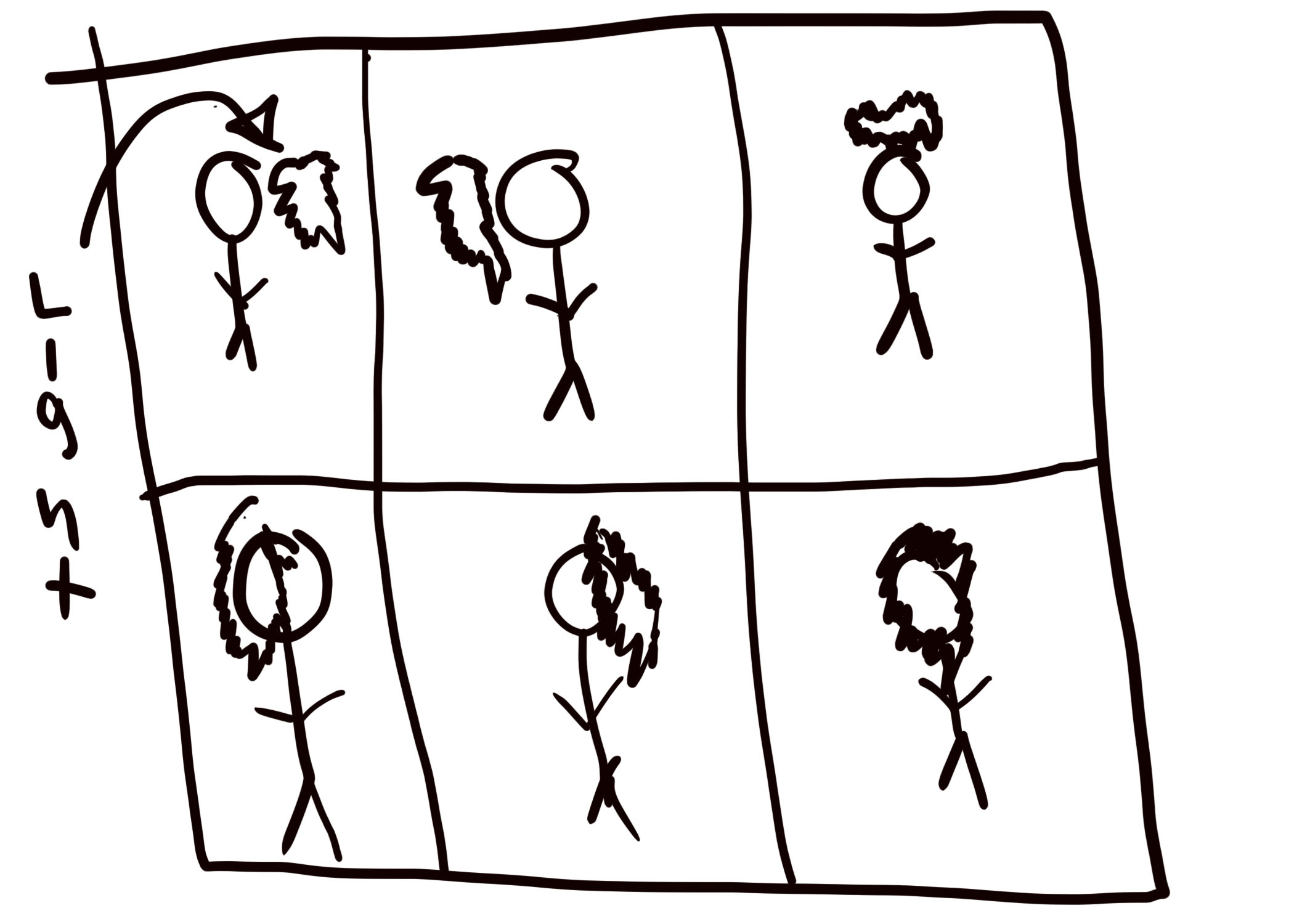
Planning reflection
I redid my story. My story is about me loosing my phone. In the first few panel’s, its about me sitting in the den with phone in my pocket. My pockets are kind of small, and my phone is an Iphone XS max. So it was sticking a little more than half way out of my pocket. I moved a little and I guess I didn’t feel it slipping out a little. In the next panel’s, I was thirsty so I thought that I’d go get a kickstart from the vending machine. When I got up I didn’t feel my phone slip out of my pocket. I started walking towards the vending machine. When I got there I thought to myself, “where’s my phone?” I started getting scared because I don’t want to lose my phone. In the last few panel’s, I started checking my pockets and I couldn’t feel it in there. So I retraced my steps , went back to where I was sitting at the table. And I looked at the chair, and there my phone was.
Reflection of story sequence
- Describe the process, or workflow, you went through to create this image? We checked cameras out. Our setting was in the den. I took pictures of me sitting at a lunch table. pictures of me getting up to get a drink and I lost my phone with no notice. Then later on I realize that I had lost my phone. Then I retraced my steps and found my phone.
- What specific photo series inspired you to make this sequence?
- How did the sketch of your Storytelling image differ from the final version? because my sketch was a drawing. As is comparison to the finals, you can really see the story.
- How well is the viewer able to move through each of these images? Very well understanding.
- Do you think your image tells a good story? Yes I do.
- What would you do differently if you could do it all again? nothing.
- What are you most proud of ? my final.
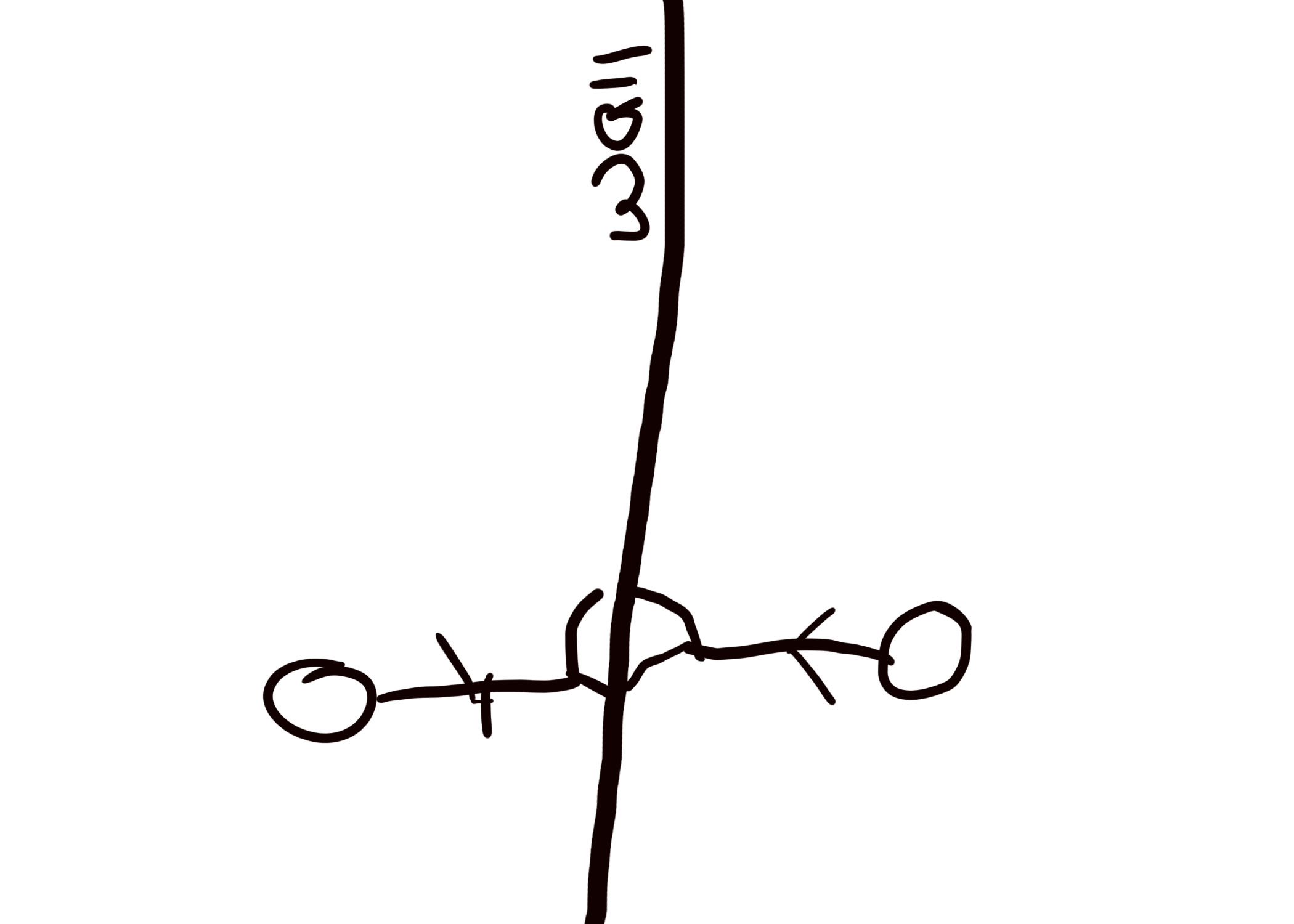
What I am going to need to make a forced perspective.
- I’m going to need to find a pole or wall that I can lay my feet on
- I’m going to need a tripod to use to take the photo
- Lay my feet against the wall to make it look like I’m walking up
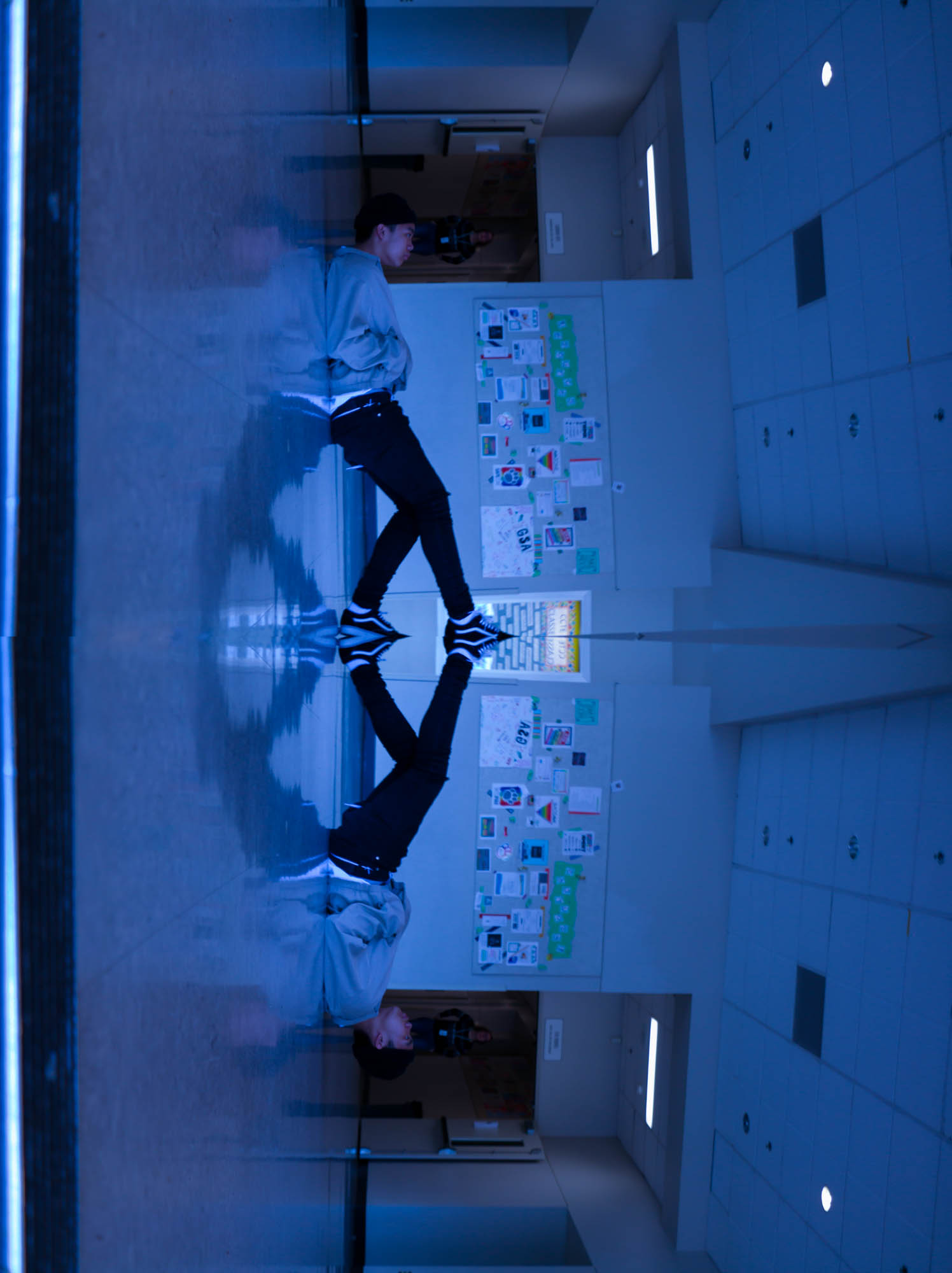
Reflection of forced perspective
Describe the process, or workflow, you went through to create this image? It went great, everything went according to plan
What specific photos you found online inspired you to make this sequence? Nothing to be honest, me and peer was just brainstorming ideas, based off of where we can take pictures.
How did the sketch of your Forced Perspective image differ from the final version? In the final you can really see what I’m trying to tell in the image.
How well does the effect of Forced Perspective come across in your final image? very well.
Do you think your image tells a good story? yeah it does.
What would you do differently if you could do it all again? nothing
What are you most proud of ? the final.
Sketch of forced.
Final forced photo
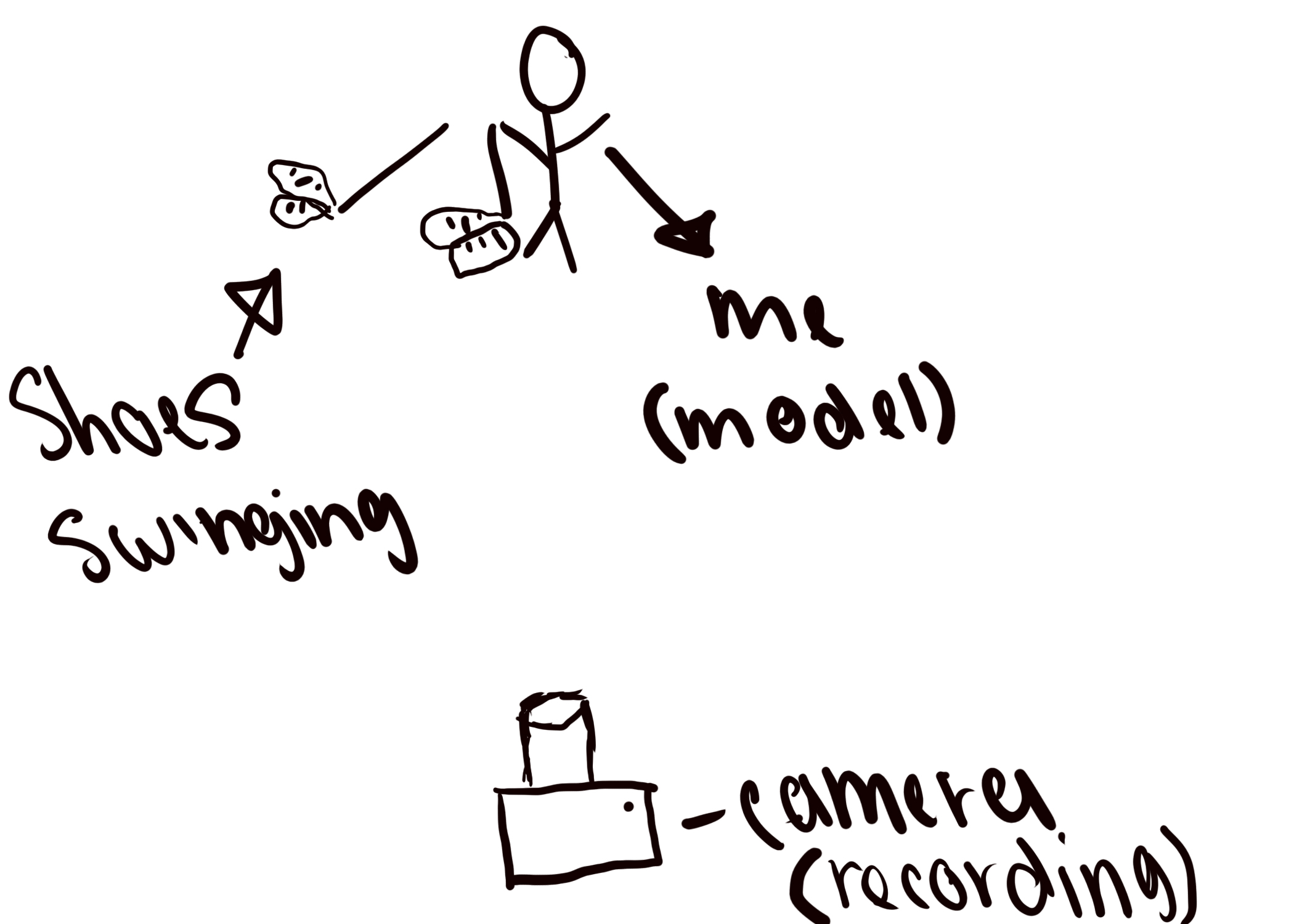
Sketch of cinema-graph above.
Work process below.
Describe the process, or workflow, you went through to create this image? I got a wacom tablet, sketched out an idea, went to the studio and shot a 30 sec video clip. What did you do for pre-production? research photo’s. Made a plan. What did you do for production? Completed the plan and shot the video in the studio
Which online examples inspired you to make this sequence? Please include these in your visual journal. None really I brainstormed ideas,off the top of my head.
How did the sketch of your Cinemagraph differ from the final version? They’re honestly the same thing just obviously one’s a sketch and ones an actual picture but you can really see what each image goal is.
How well does the Cinemagraph come across in the final image? Very well.
Reflection of cinema-graph.
What did you learn about Photoshop as a result of working on this animation? How to cut the video in editing.
Do you think your image tells a good story? Yeah, I think it shows what its trying to do.
What would you do differently if you could do it all again? The positioning of my props.
What are you most proud of? The planning and actually taking the photo.
Examples of high key lighting:

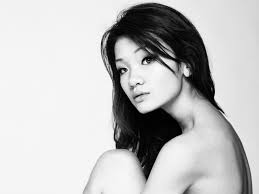
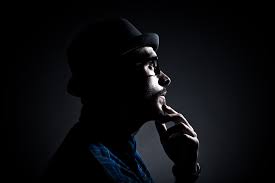
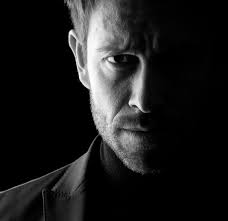
Examples of low key lighting:
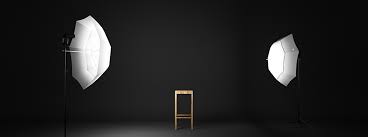
Plan:
My plan to shoot the photos for high key, is have my model stand still on a chair in the studio, and have the lights on, on the full setting, for a high key image. My plan to shoot the low key photo is to do the same thing with the high key except the lights because its going to be turned down for a low key image.
Reflection for final image:
Describe the process, or workflow, you went through to create these images? it went pretty smooth because I knew what to do with high key and low key photos. What did you do for pre-production?Had my model, sit on a stool in the studio. What did you do for production? Had my model sit on a stool in the studio.
How did Strong’s demonstration help you in creating one high and one low key image? I wasn’t here to watch the demonstration but it probably wouldn’t have been any different.
Which online examples inspired you to make this sequence? Please include these in your visual journal.
How did making the lighting diagrams help you in creating your final high and low key images? Because it helped me plan out exactly what I needed to do.
What did you learn about off camera flash as a result of working on this project? nothing new. Do you think your image tells a good story? yes.
What would you do differently if you could do it again? Nothing everything worked out fine.
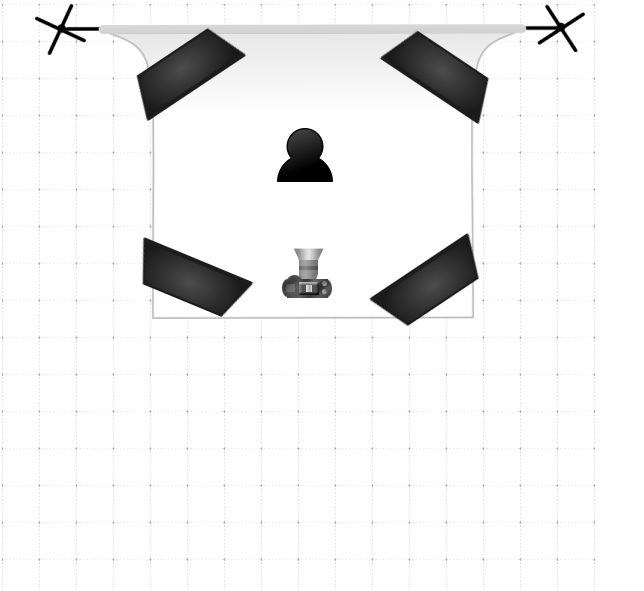
High key lighting diagram:
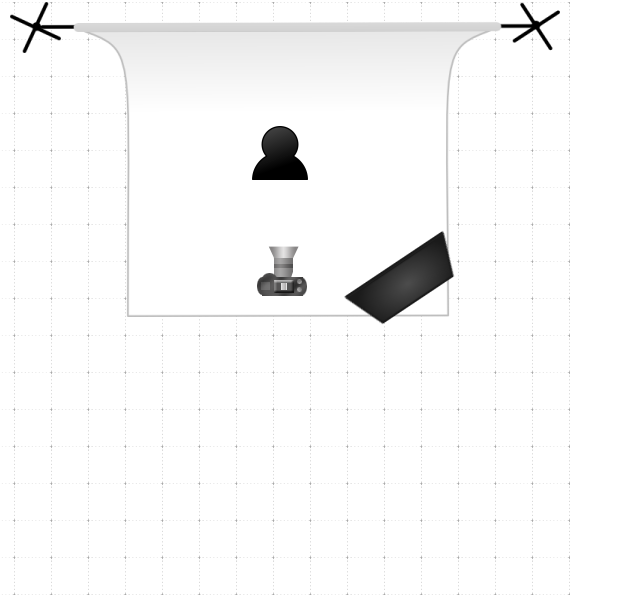
Low key lighting diagram:
Reflection of Emotions with lighting:
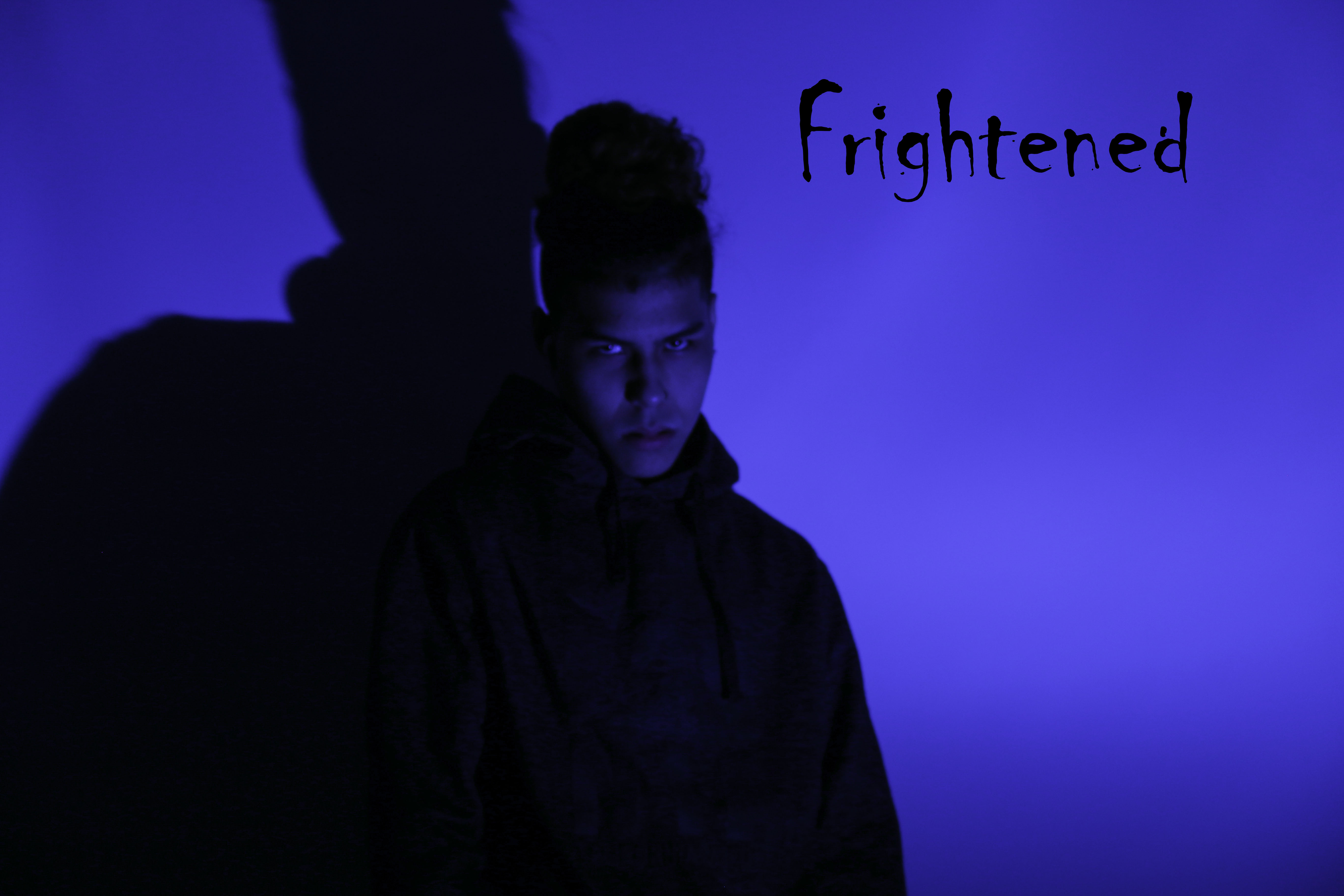
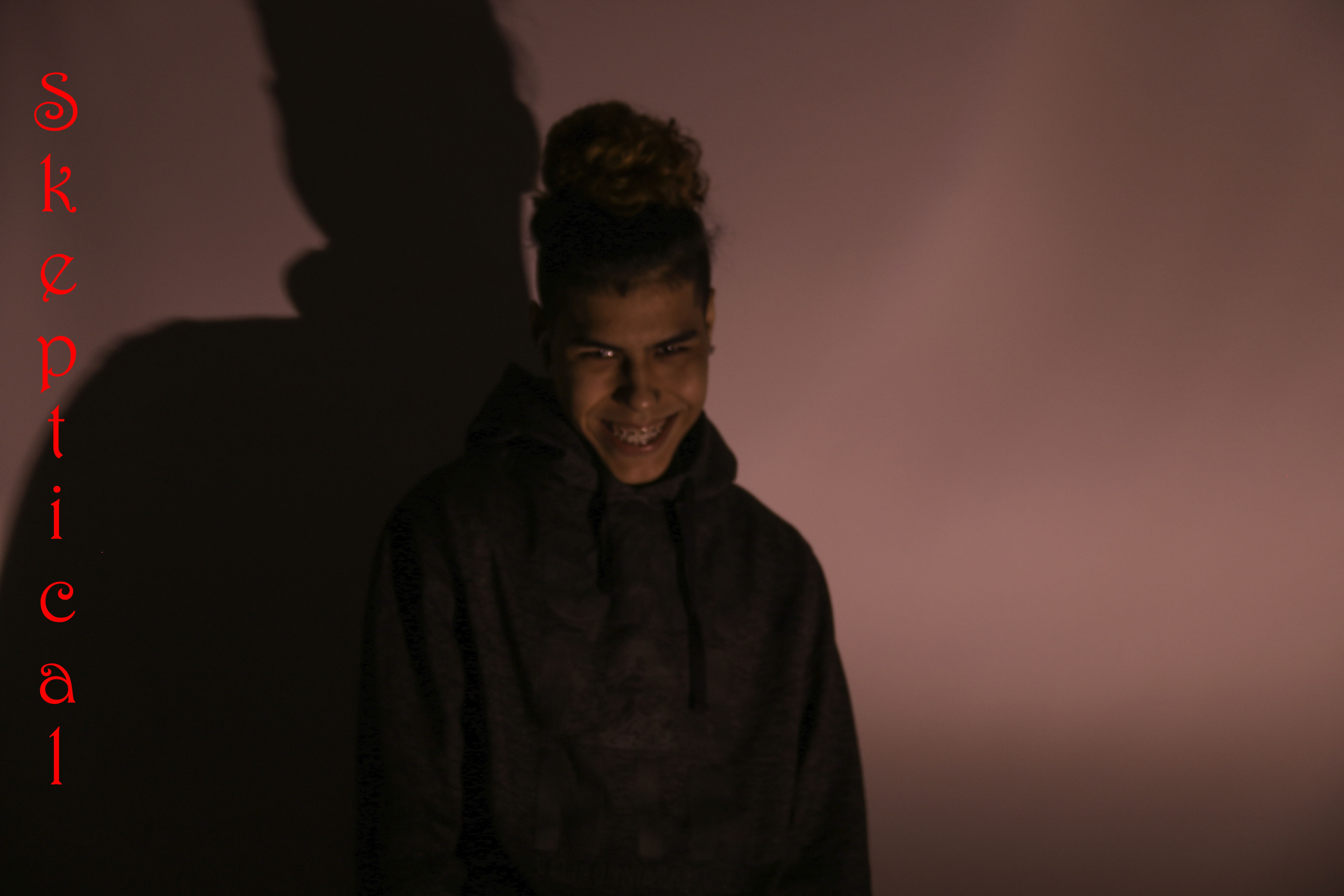
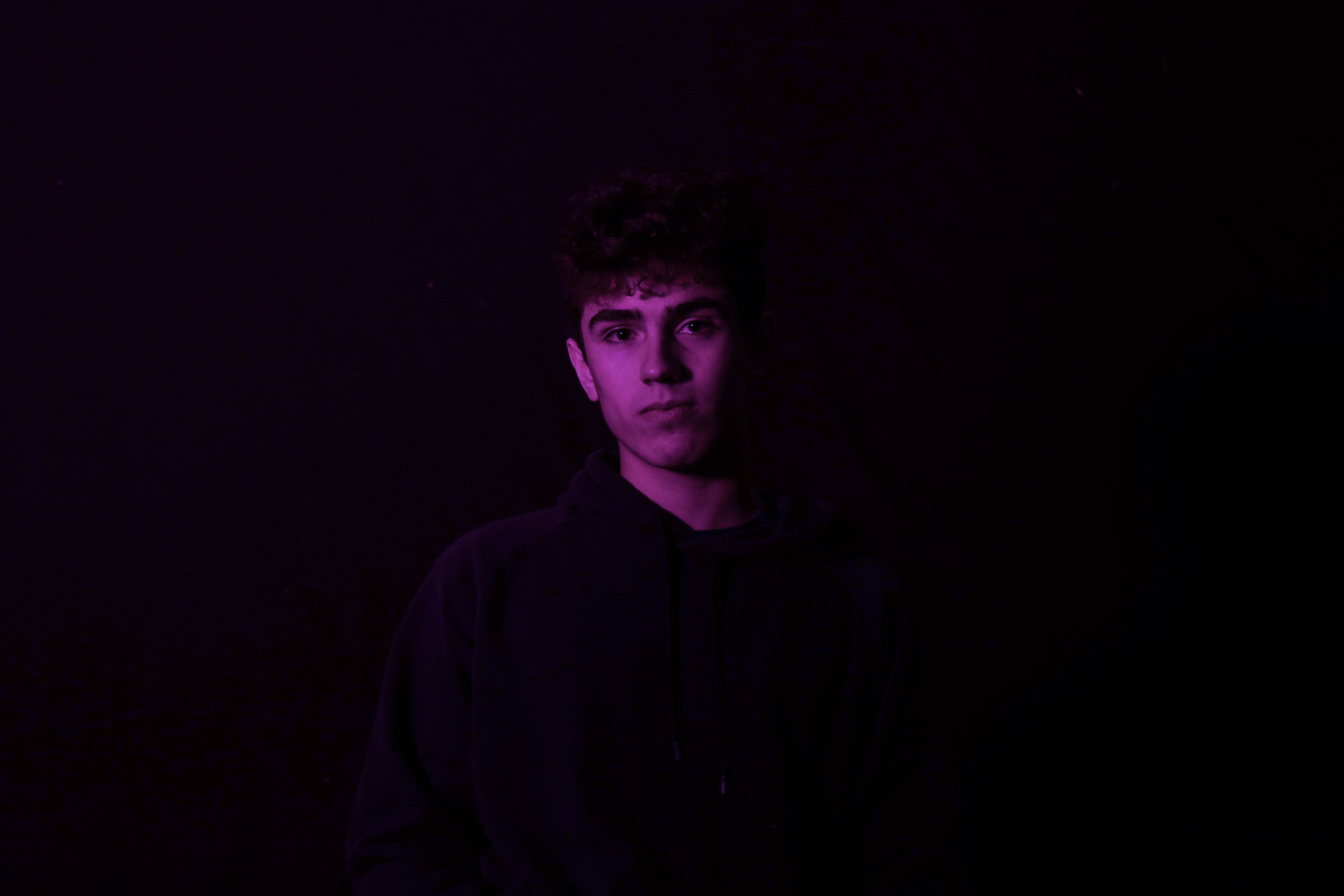
The work flow was great. For pre-production I did my model in front of the white screen in the studio with me behind the camera and no lights except the special flash for the camera. For my production I did exactly what my pre-production is. The Rembrandt played the role of high key and low key lighting. I did high key and low key lighting for my final images. The ratio of the final photo’s were about 50/50 for high key and 25/75 for low key lighting. I didn’t use any props besides the white screen in the studio. Me and my model was just brainstorming ideas in the studio and instead of happy or sad we came up with frightened and skeptical. The same. No not really. The same. It helped very well. They reflect great. Show more lighting on the face to see the expression. I didn’t really find anything that inspired me online so me and my model were just trying to come up with idea’s by looking at the wheel of words. It helped me plan it so I already knew what I had to do to capture these images. Nothing new. Yes I think my image tells a great story. Nothing, I thought these photo’s turned put great. I am most proud of the editing.
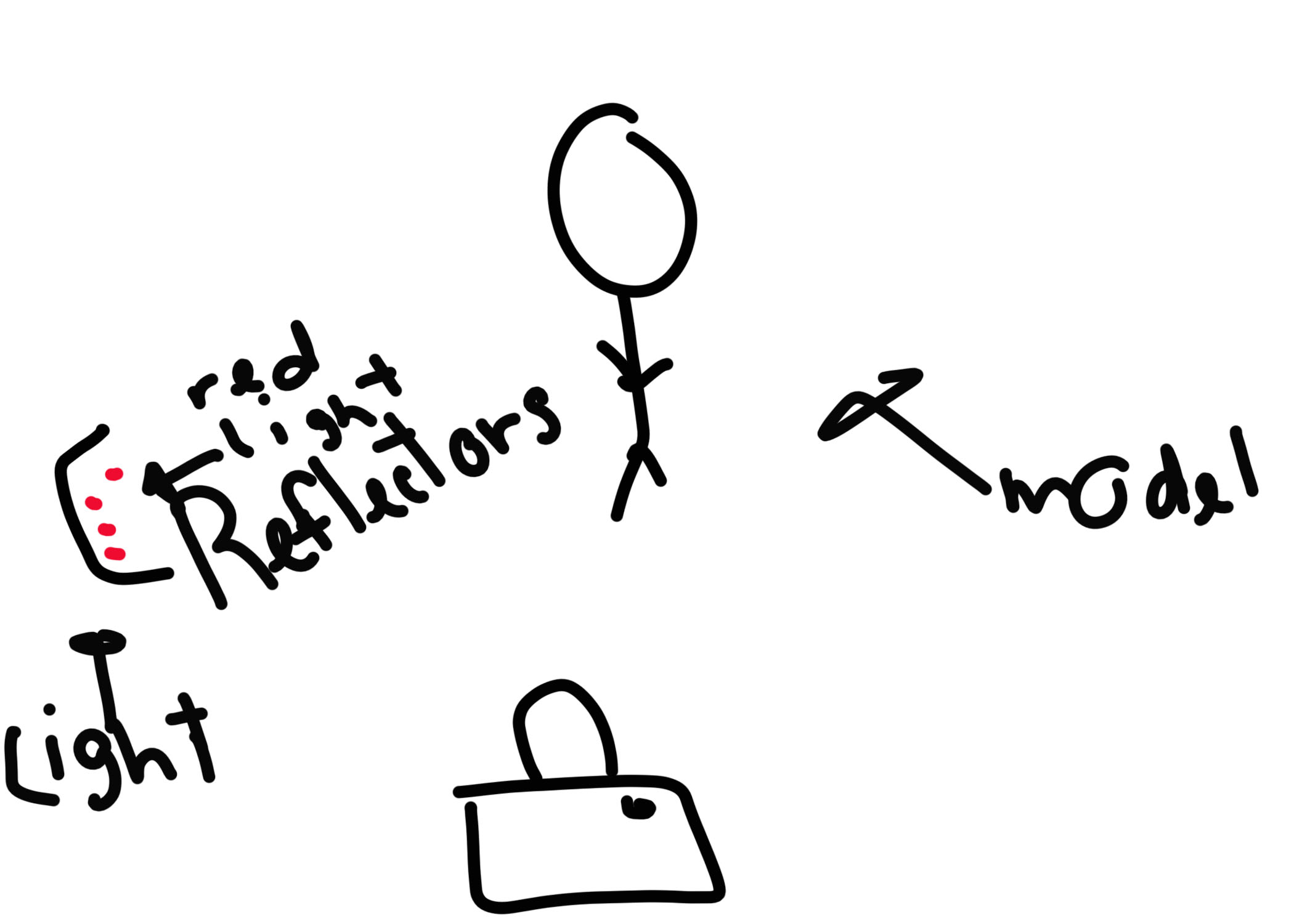
Plan to shoot high key:
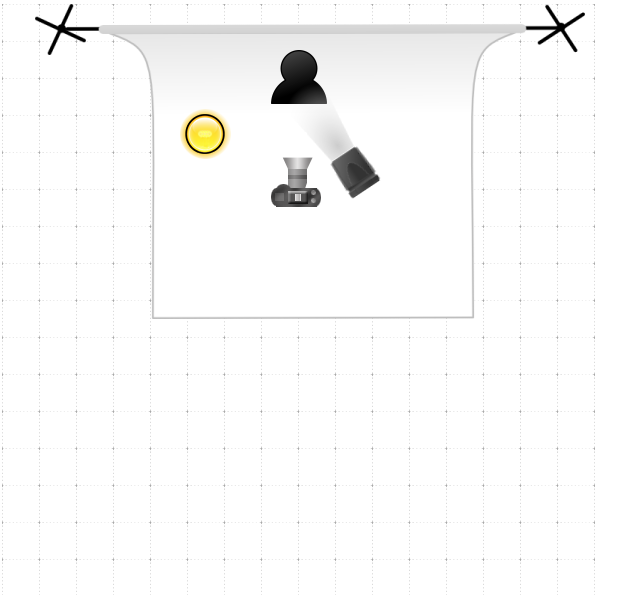
I will have my model stand in front of a white screen in the studio, and turn the light on but red,and still have the flash source. And I will cover some of the light so it hits half his face to get 1:1 ratio. Then press click on the camera to capture the image.
Plan to shoot low key:
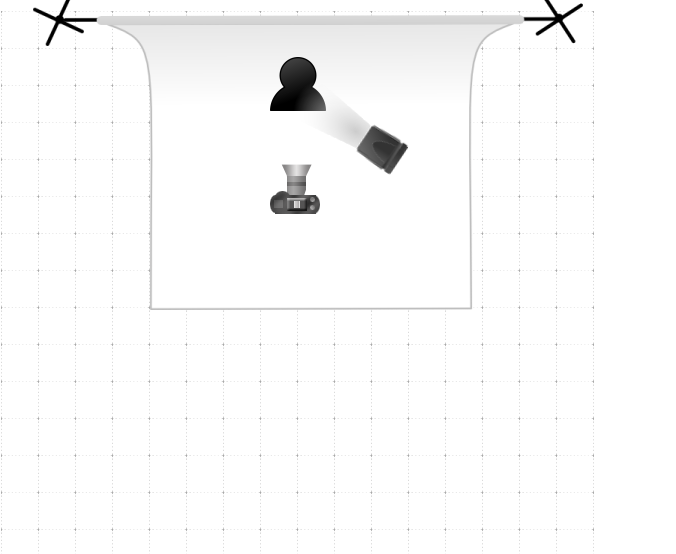
I will do the same as high key except no red light, and still have the flash source so I can get a lower ratio for the lighting to capture a low key lighting image.
Low key, Frightened:
High key, Skeptical:
Lighting diagram for high key:
Lighting diagram for low key:
Inspirations:
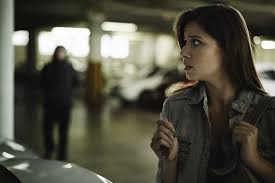
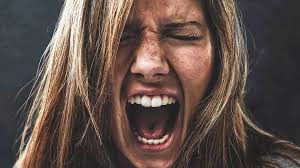
Sketches :
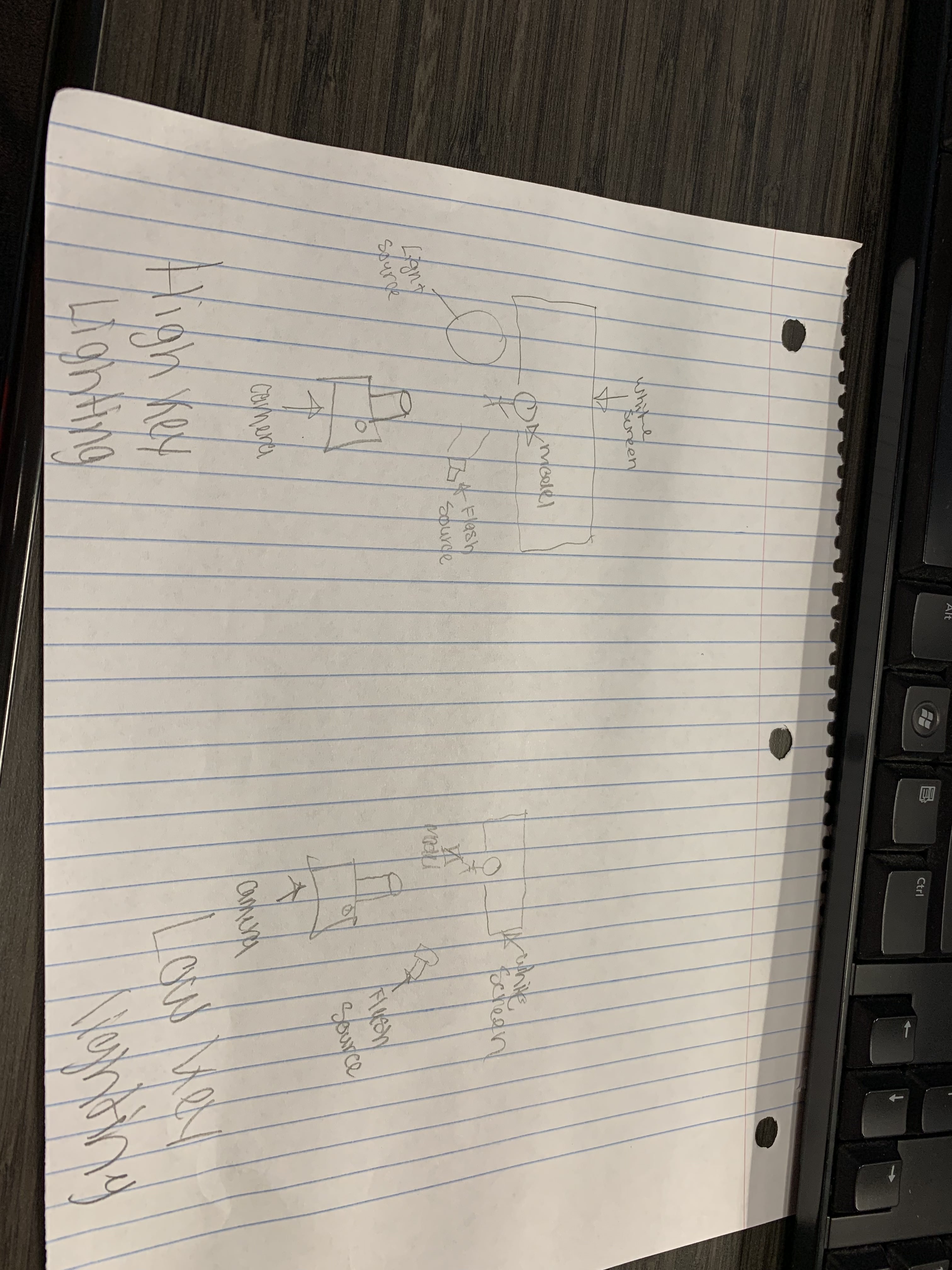
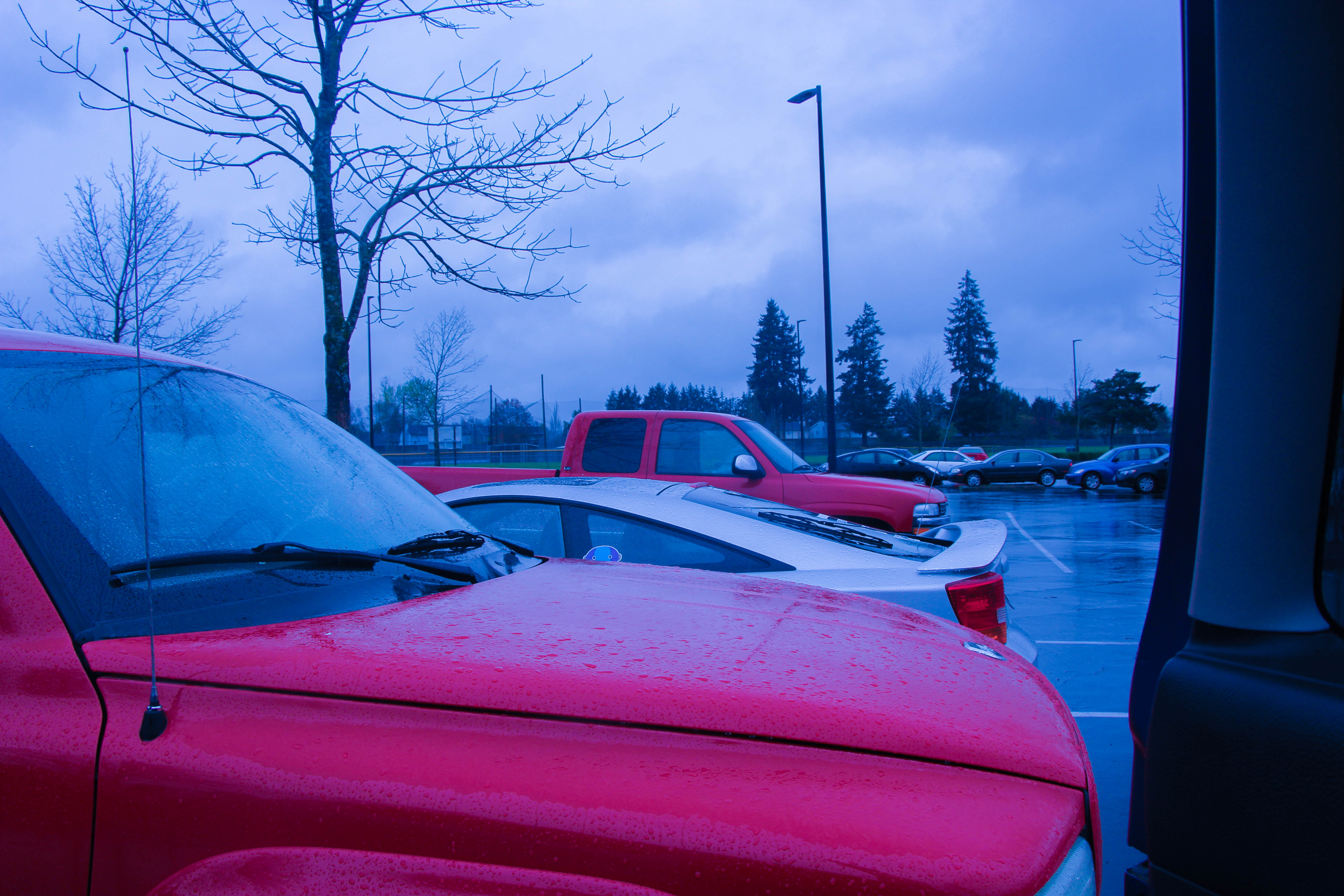
Photo diary: 5 Photo’s.
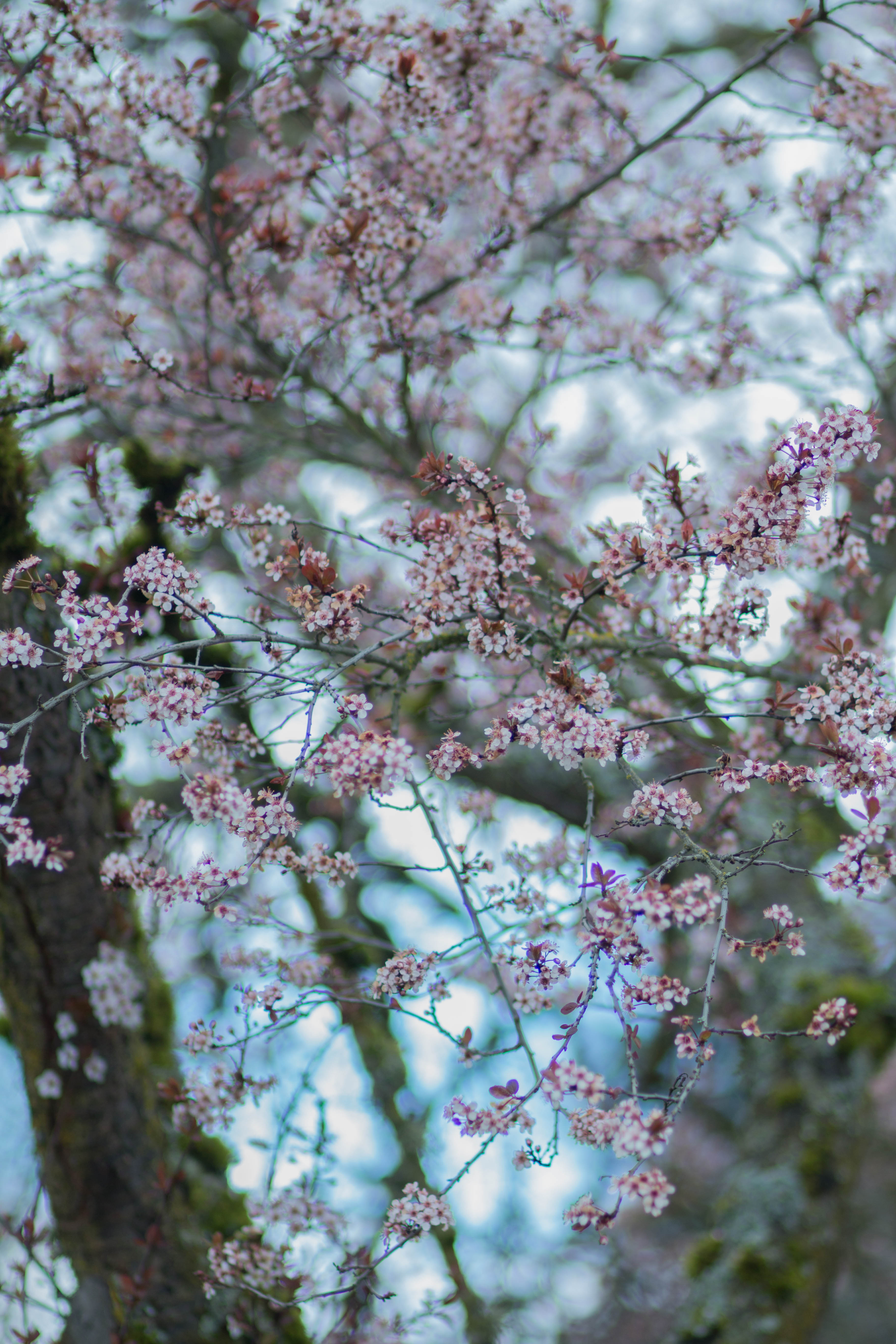
2nd photo
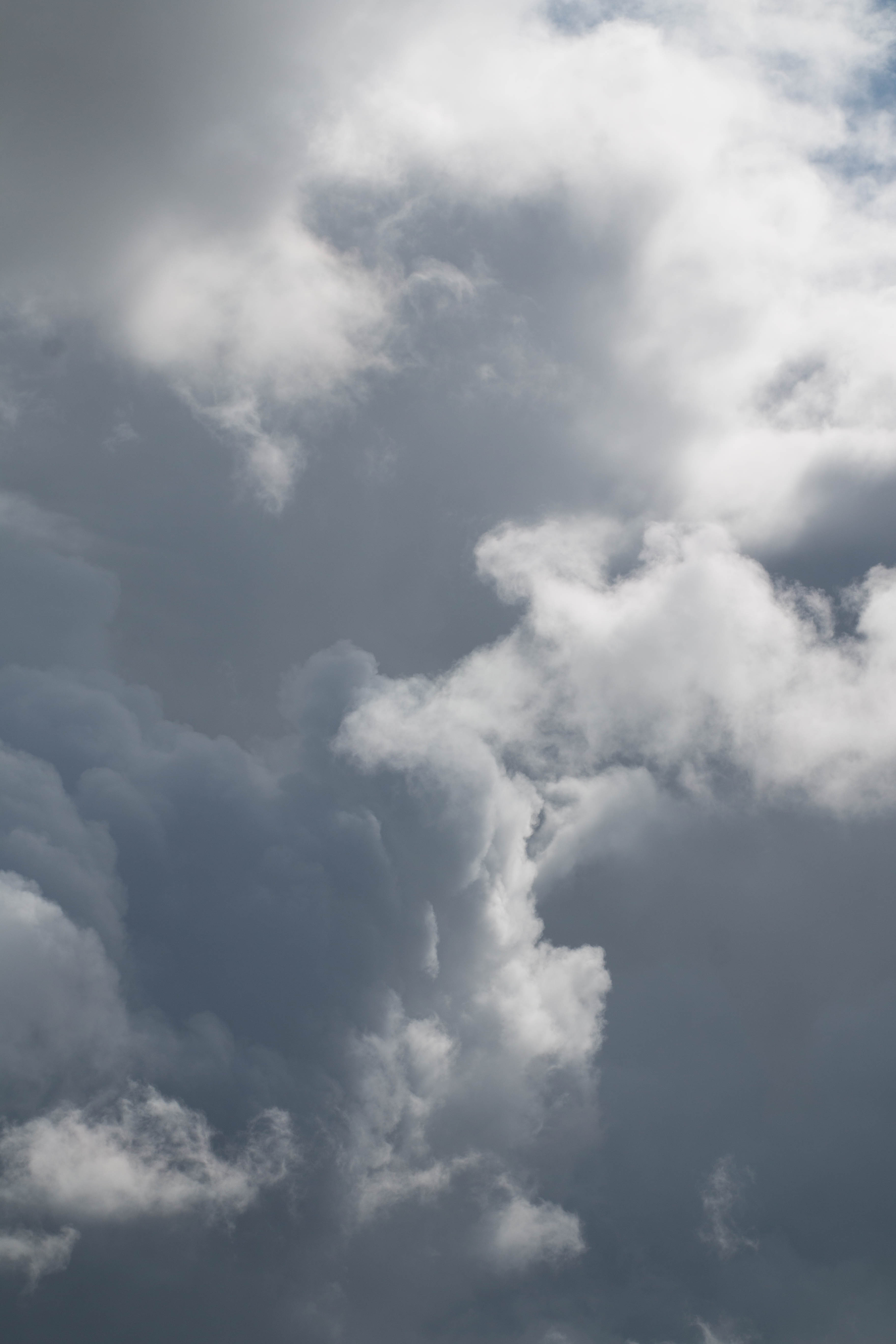
3rd photo:
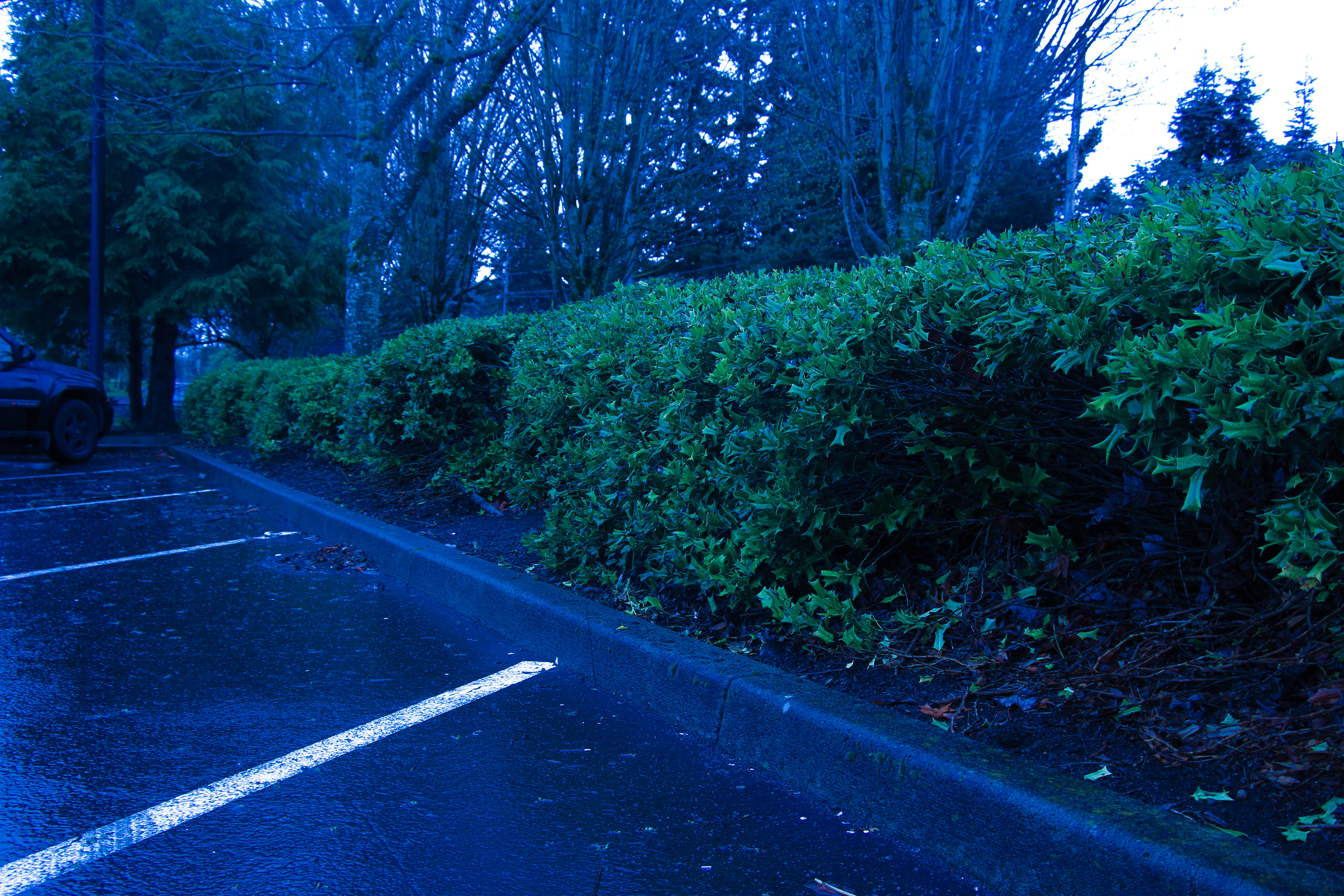
4th photo:
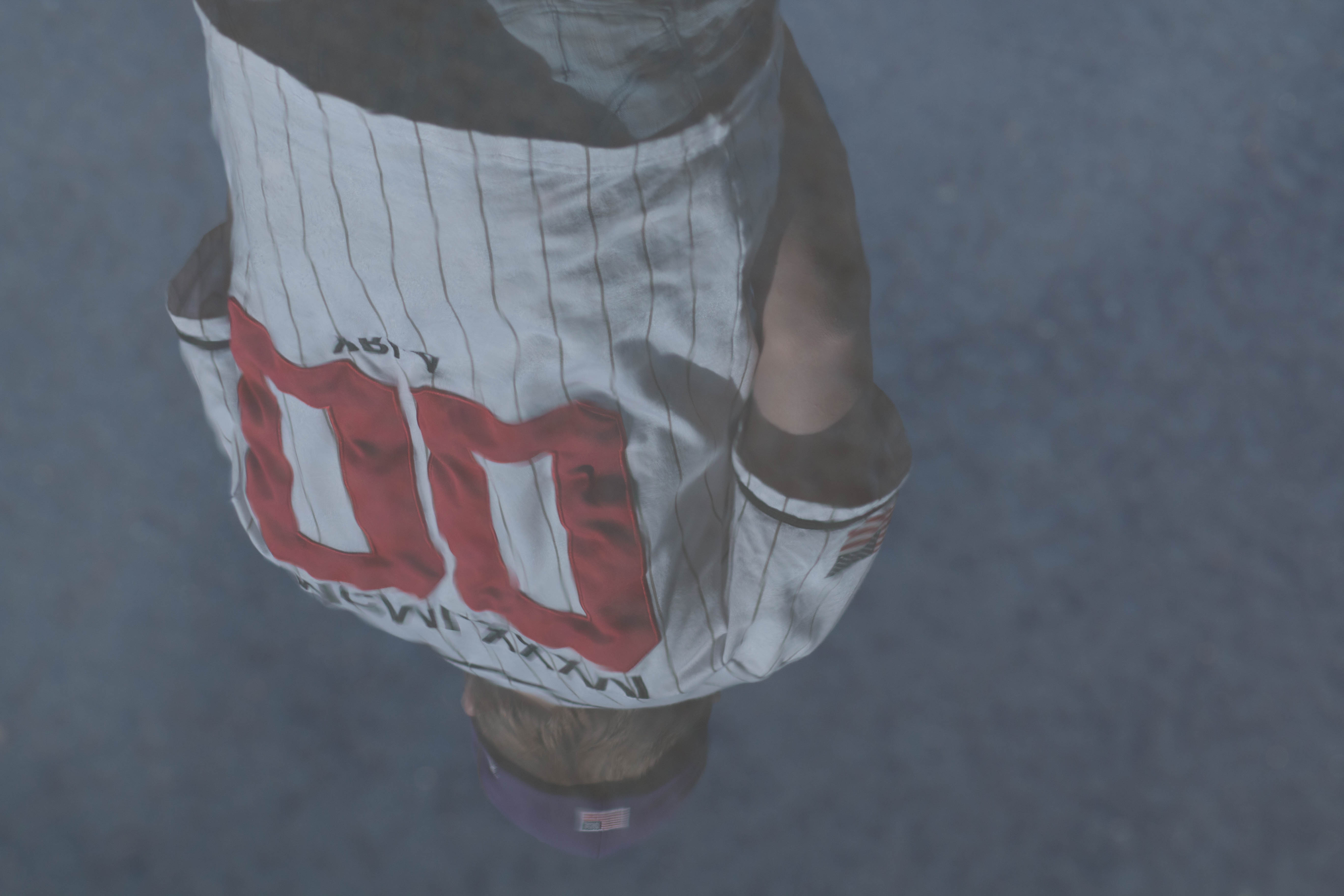
5th photo:
Final reflections for photo diary:
Describe the process, or workflow, you went through to create these images? It was really easy. How were you able to capture the emotions you were feeling each day? Just like every other theme of photo’s we have ever taken. It was easier because it was only 1 photo per day. How close did you get to capturing the emotions you felt in your photographs? Honestly very close, for each day. Did the emotions you were feeling stay the same, or were they different each day? It kind of stayed the same, because of the weather last week. Do you see a progression in these photographs? I actually do see progress. How do the photos change from the first image to the last? It kind of changed not a whole lot of change but that’s because I was feeling the same for some of those days. Is there a story to it, it’s ok if there isn’t. No there isn’t. What patterns do you see emerge as a series of photographs? That they might be the same, because we’ve pretty much taken photo’s everywhere around school, so their isn’t really anything new to photograph. Is there a pattern or are the photos random? It’s kind of both. How similar/dissimilar is the editing in these photographs? Similar.
Explain how you were able to enhance the mood of the photographs with photoshop or lightroom? By messing with the highlight’s and exposure and clarity in lightroom, and using the frame and text from photoshop.
How did Strong’s examples help you in creating the imagery ? they gave me idea’s of how to start. How well do your final images reflect the specific emotion? pretty well you can see the emotion in image. What could you have done to make sure that the viewer gets the specific emotion without reading the word? Find something or an object, that i can play around with the lighting to bring out more emotion.
What did you learn about the art of taking pictures as a result of working on this project? Nothing new. Do you think your photo series a good story? yeah.
What would you do differently if you could do it all again? Use my time more wisely.
What are you most proud of? The finals.
Pre-production:
I will take a camera and tripod, and go into the studio located in the back of the room. I will put the camera on the tripod,move the green and blue screen so I’m left with the white screen. Then I will have one of my peers sit on a stool in between the camera and white screen so I can take a portrait themed photo. Then after I capture this portrait photo, I will go out and leave the class with my cellular device, and take a picture of an object that represents my model, which in this case was a baseball. Then I will come back to the classroom and import thee photo’s into light room, and edit them in photo shop, So I can make a double exposure metaphor photo. After , I will repeat this process so I can take another double exposure metaphor photo.
Two double exposure metaphors
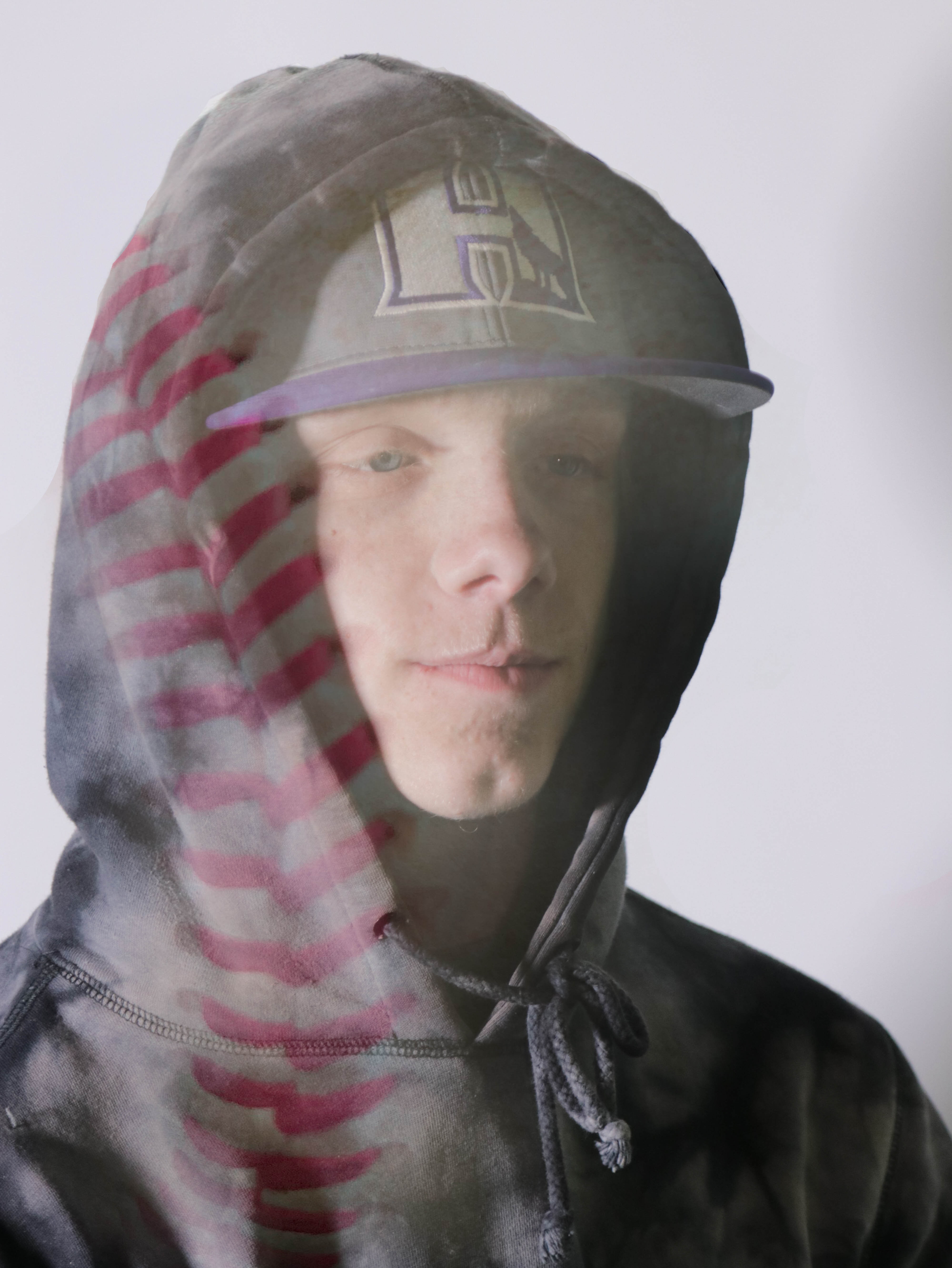
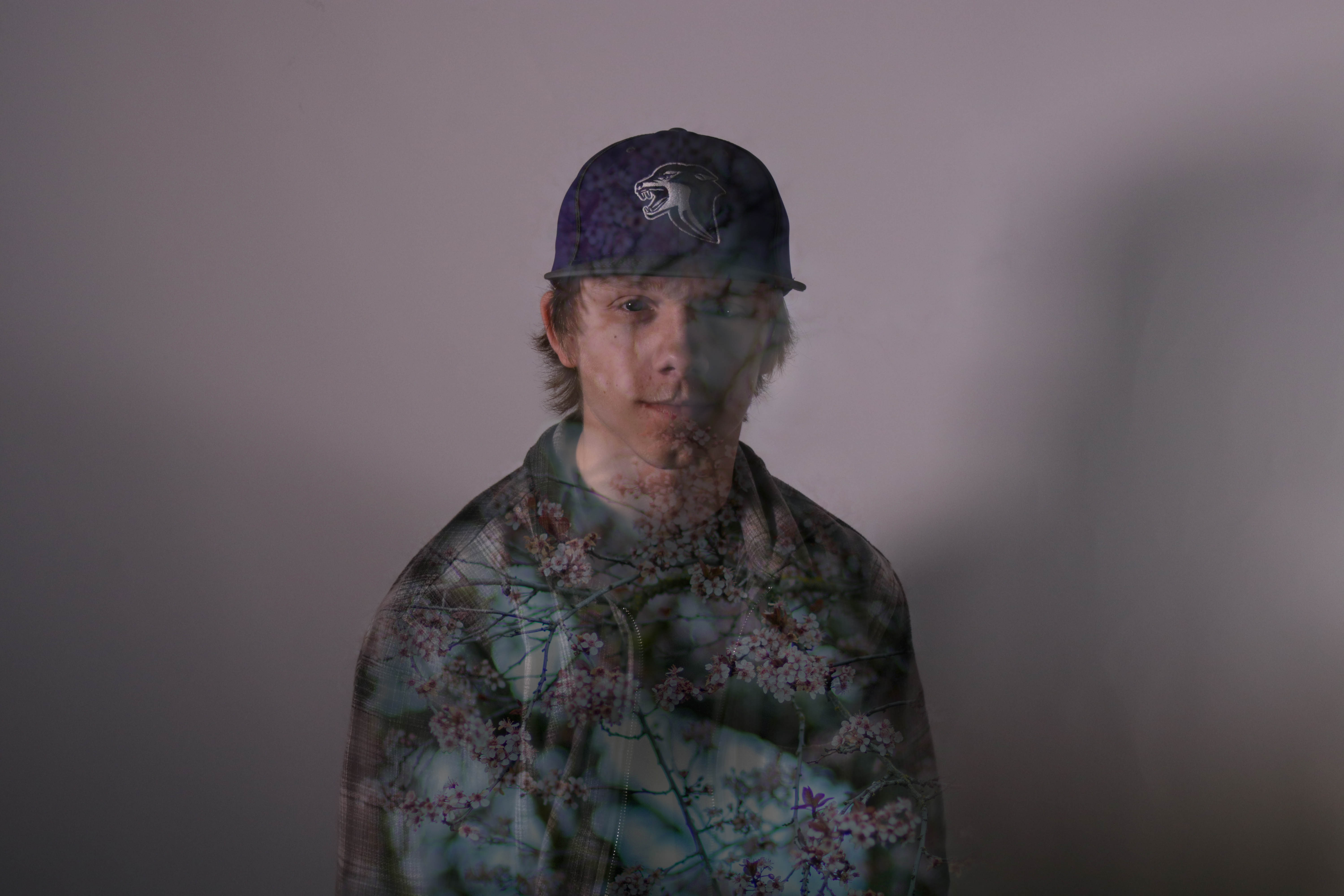
Final reflection:
Describe the process, or workflow, you went through to create these images? This project was hard. I didn’t know how to do anything. How were you able to assign a metaphor to the person you photographed? I used someone I know very well so I can use an object that I know represents them. What was the experience of using the tutorials? Garbage, the tutorials didn’t help. Did you search until you found one that fit your abilities? Yes. How close did you get to capturing the essence of the person you photographed? Very close.
Explain how you were able to enhance the mood of the photographs with photoshop or lightroom? I used different lighting, and angles to bring out the emotion of the image. How well do your final images reflect the specific metaphor? very well, it goes great with the person, because it represents on of their hobbies. What could you have done to make sure that the viewer gets the specific metaphor without reading the word? Nothing, I used a baseball, which obviously represents my model’s favorite sport, and I also used a cherry blossom tree, to represent my model’s interest in nature.
What did you learn about the art of taking pictures as a result of working on this project? nothing new. Do you think your photo tells a good story? It doesn’t tell a good story, but you can tell what the metaphor is.
What would you do differently if you could do it all again? nothing, everything turned out to plan.
What are you most proud of? the final photo’s.
Sketches:
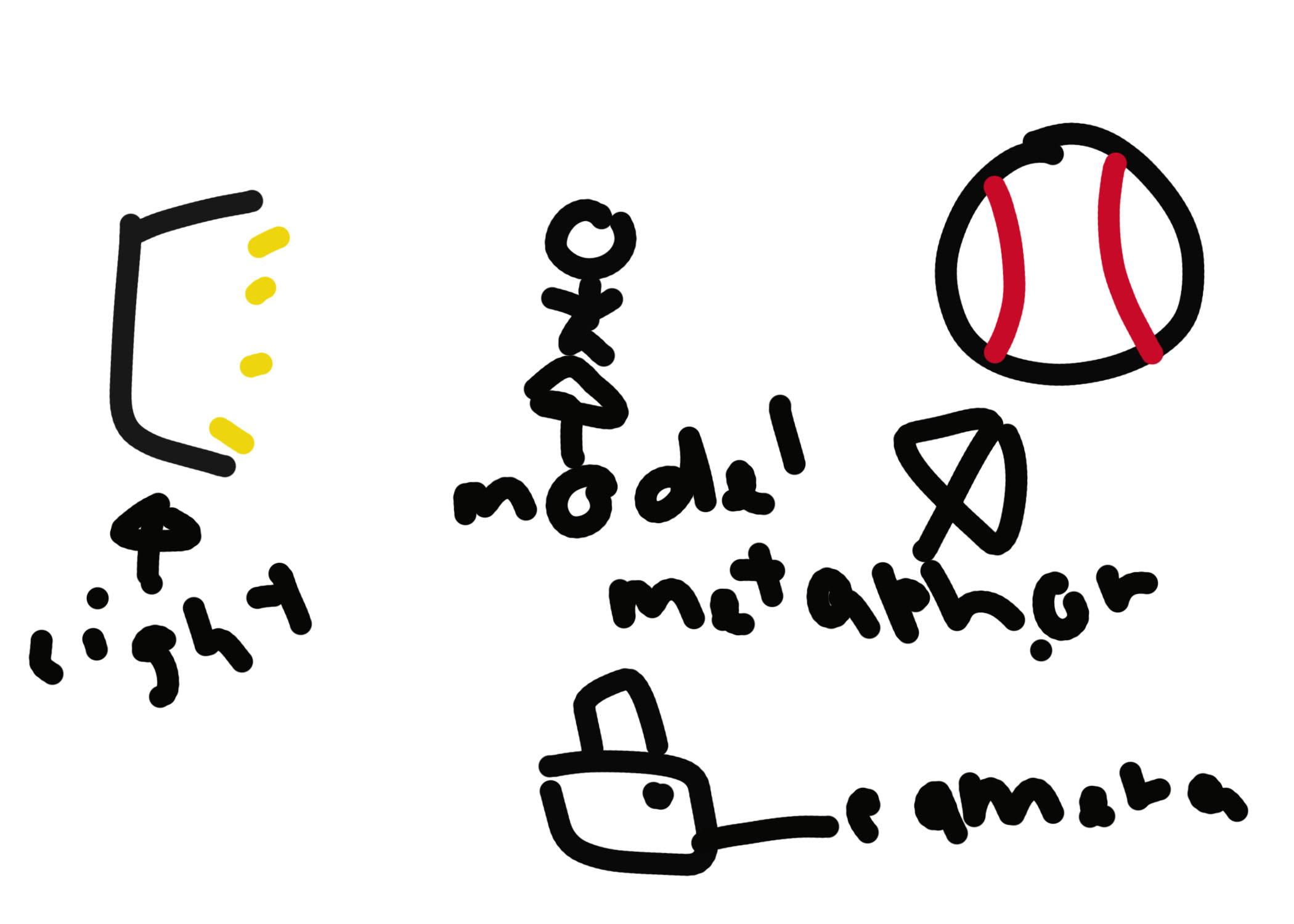
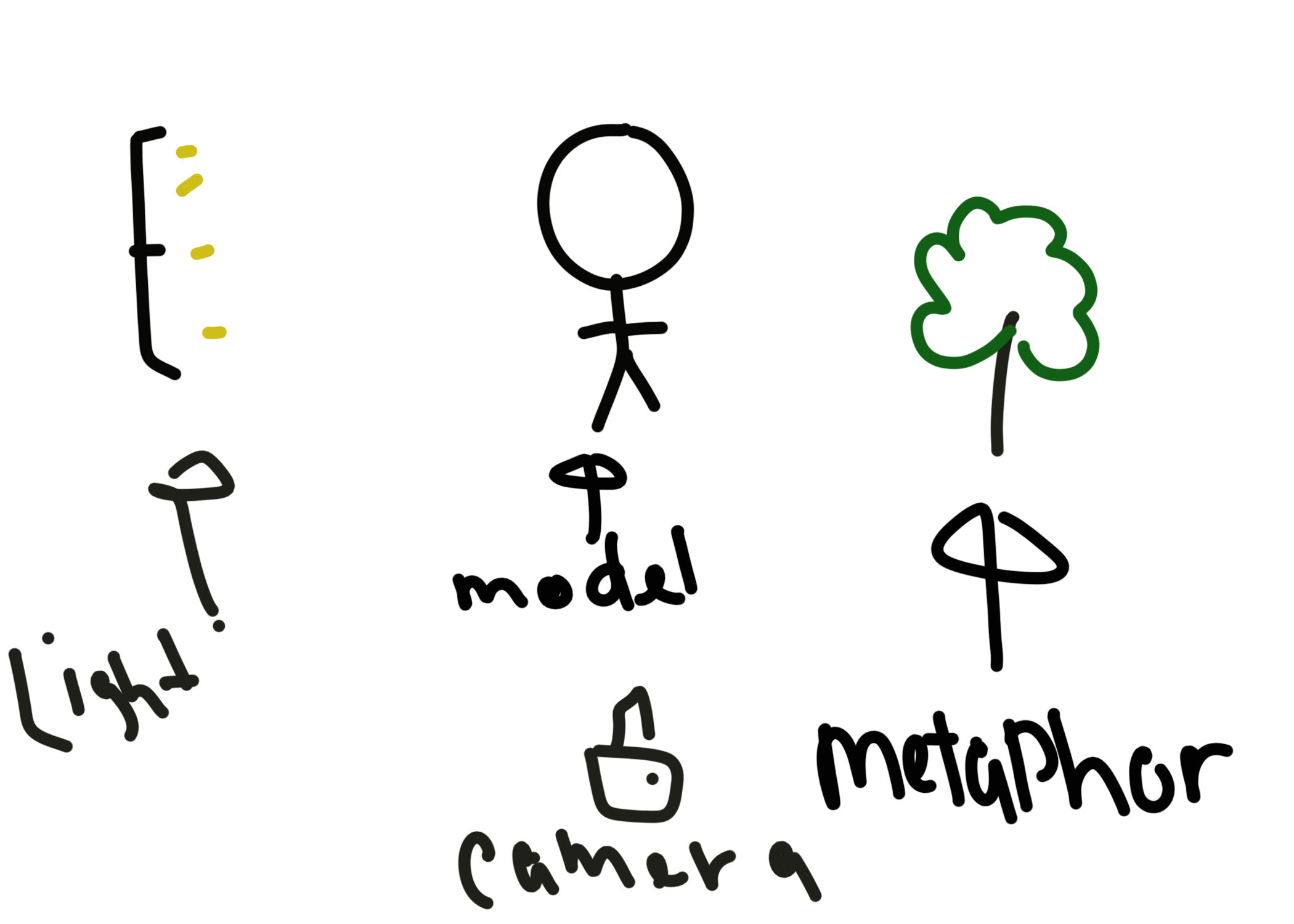
Sketch for Multimedia Project:
Plan for catch up week:
My goal for this week is to catch up on the multimedia slideshow and finish the reflections.
Reflection for multimedia slideshow:
Describe the process, or workflow, you went through to create your portrait image? it was pretty easy when I actually put effort and time into it. How did you incorporate aspects of the subject’s personality into the photograph? Because each picture was about each thing he talked about. How did you select the questions for the interview? I used strong’s examples and made questions that I can easily capture an image of. What was the process like of listening to the audio and choosing which pictures to make based on that interview? It was great, it was easier than I thought. Do you feel like the other photos in the slideshow also capture the essence of the person you photographed? Yes I do.
What was your experience like working in Adobe Premiere? It was easy after strong showed me what to do. What did you learn about the art of taking pictures as a result of working on this project? Nothing new. Do you think your photo tells a good story?Yes, it describes the person I interviewed.
What would you do differently if you could do it all again? Edit the photo’s in lightroom before edit it altogether in Adobe Premiere.
What are you most proud of? The final result of the slideshow.
Portrait for multimedia slideshow:
Final reflection for catch up week:
- How well were you able to reach the goals you made at the start of the week? pretty well.
- What did you accomplish? I was able to accomplish finishing my multimedia slide show. What weren’t you able to get done? Nothing I completed all my goals.
- What new skills were you able to learn this week? Nothing new besides finishing my work on time.
- How many people were you able to help this week? Two.
- How much better is your grade today than it was on Monday? 1 grade up.
Photo’s for complementary color’s:
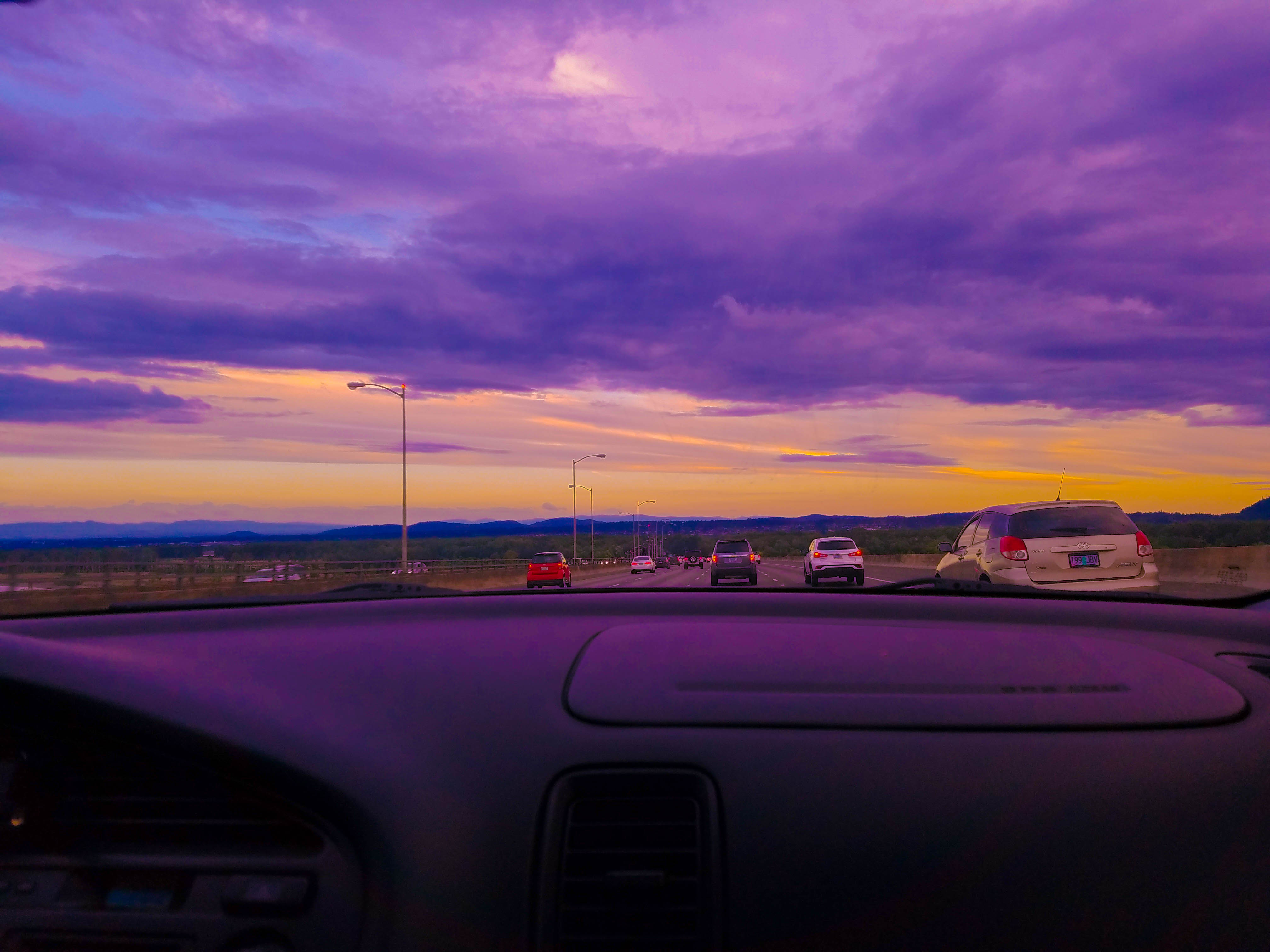
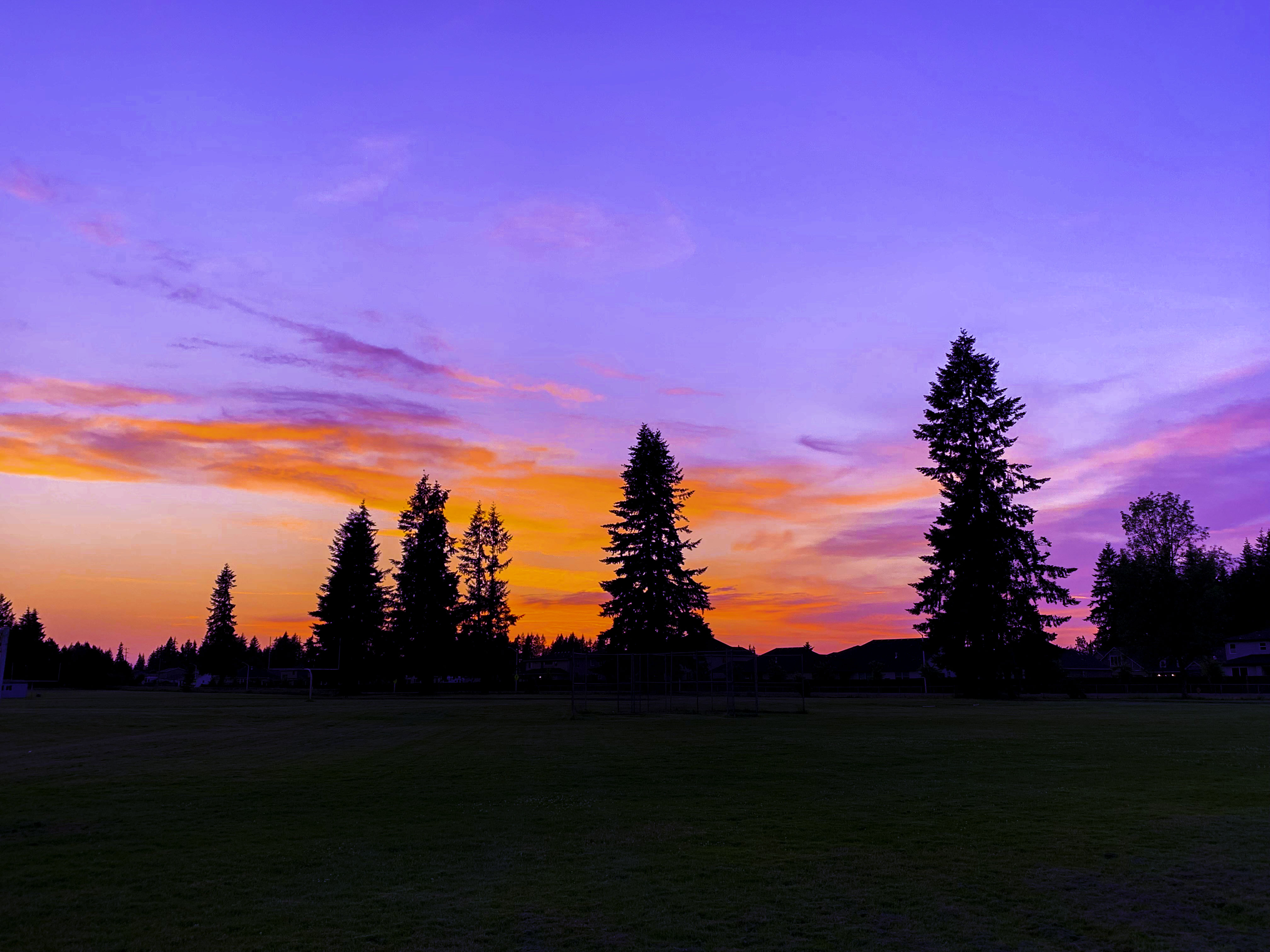
Reflection for complementary color’s:
Describe the process, or workflow, you went through to create these images? The workflow and process going through these images were great. How did you incorporate the two complementary color into your photos? By finding objects in one image that match colors to make it easier for me to edit. What blending methods did you use in Photoshop? Gradient. What did the addition of complementary colors do for your images? It brought out the emotion of the colors in the image. What moods or emotions stood out as a result of enhancing the complementary colors? Happy, joyful. Excitement.
Explain how you were able to enhance the mood of the photographs with Photoshop or Lightroom? By making the colors stand out, it brought the emotion of the images. How well do your final images show the complementary colors? Very well you can really see it.
What did you learn about color theory as a result of working on this project? The gradient in photoshop. Do you think your photos tell a good story? Yes it does.
What would you do differently if you could do it all again? Nothing I think it went very well
What are you most proud of? I am most proud of my final photo’s.
Reflection for Juxtaposition:
Describe the process, or workflow, you went through to create these images? It was great. How did the similarities and or differences between your two subjects inform how you were able to shoot and edit the photos? Because both images were basically the same just different colors. Do the two things have more in common or more differences. More in common. Is the viewer able to discern what the differences or similarities are without explanation? Yes. How did you use the principles and elements to show the differences or similarities (think scale, contrast, pattern, framing, line, etc.) I used Gradient layers.
Explain how you were able to enhance the mood of the photographs with Photoshop or Lightroom? By making the colors pop out to show emotion. How well do your final images reflect the differences or similarities? Really well, you can tell what the differences and similarities are. What could you have done to make sure that the viewer gets the differences without being explicitly told? Nothing.
What did you learn about the art of taking pictures as a result of working on this project? Two images that have a lot in common and have little differences but those differences really stand out. Do you think your photos tell a good story? Yes.
What would you do differently if you could do it all again? Nothing new.
What are you most proud of? I am most proud of my final images.

 Pogi_X_photography